Waterfront walks, rolling hills, vineyards and a carnival you can get close to.
Uruguay may look small on the map, but there is more than one way to discover it. Come for the beaches and you might fall for a murga performance, a family winery or an afternoon of mate by the water. This guide brings together places and everyday traditions to help you make more of your first visit.
The currency is the Uruguayan peso (UYU). Debit cards are widely accepted, especially in Montevideo and the main tourist destinations, but do not rely on one card alone. Carry some pesos for small businesses, markets, rural areas or a payment terminal with no connection.
You can bring US dollars or Brazilian reais and exchange them at local currency-exchange offices. Compare rates and ask about fees. Some businesses accept foreign cash, but not all do, and their rate may not be favourable. Check whether prices are in UYU or USD and review your bank’s foreign-card charges.
Carrasco (MVD) is Montevideo’s main air gateway. Ferries also link Uruguay with Buenos Aires: some services arrive in Montevideo, while others combine a boat to Colonia with a bus. Check the actual route before booking. Tres Cruces is a useful hub for intercity buses to inland towns and the coast.
A car gives you more flexibility for hill country, wineries and small beach towns; it is not essential for Montevideo or Colonia’s historic quarter. Arrange your return transport for rural visits. For wine tastings, use a transfer or a driver who will not be drinking.
December to February is summer. January is often busy on the coast; February lets you combine beaches and carnival. Autumn and spring suit a slower mix of cities, vineyards and hill country. Winter can be cold, damp and windy: Uruguay does not have a tropical climate.
Even in summer, bring a light layer for evenings, sun protection and comfortable shoes. For hill walks, pack suitable footwear and water. At beaches, follow the flags and lifeguards’ instructions: conditions are not the same everywhere.
Spanish is spoken here, and you will often hear “vos” instead of “tú”. English or Portuguese may be available in tourist areas, but not everywhere. Local time is UTC−3. Electricity is 230 V, 50 Hz; because socket types vary, a universal adapter is useful.
Check entry requirements for your nationality before travelling. For mobile data, see whether your plan covers Uruguay or compare a local SIM/eSIM. Budget for food and transport as well as accommodation: a small country does not automatically mean tiny distances or a low-cost trip.
These six destinations make a great starting point. Suggested stays are flexible: choose fewer bases and give them time, rather than spending the whole trip on the road.
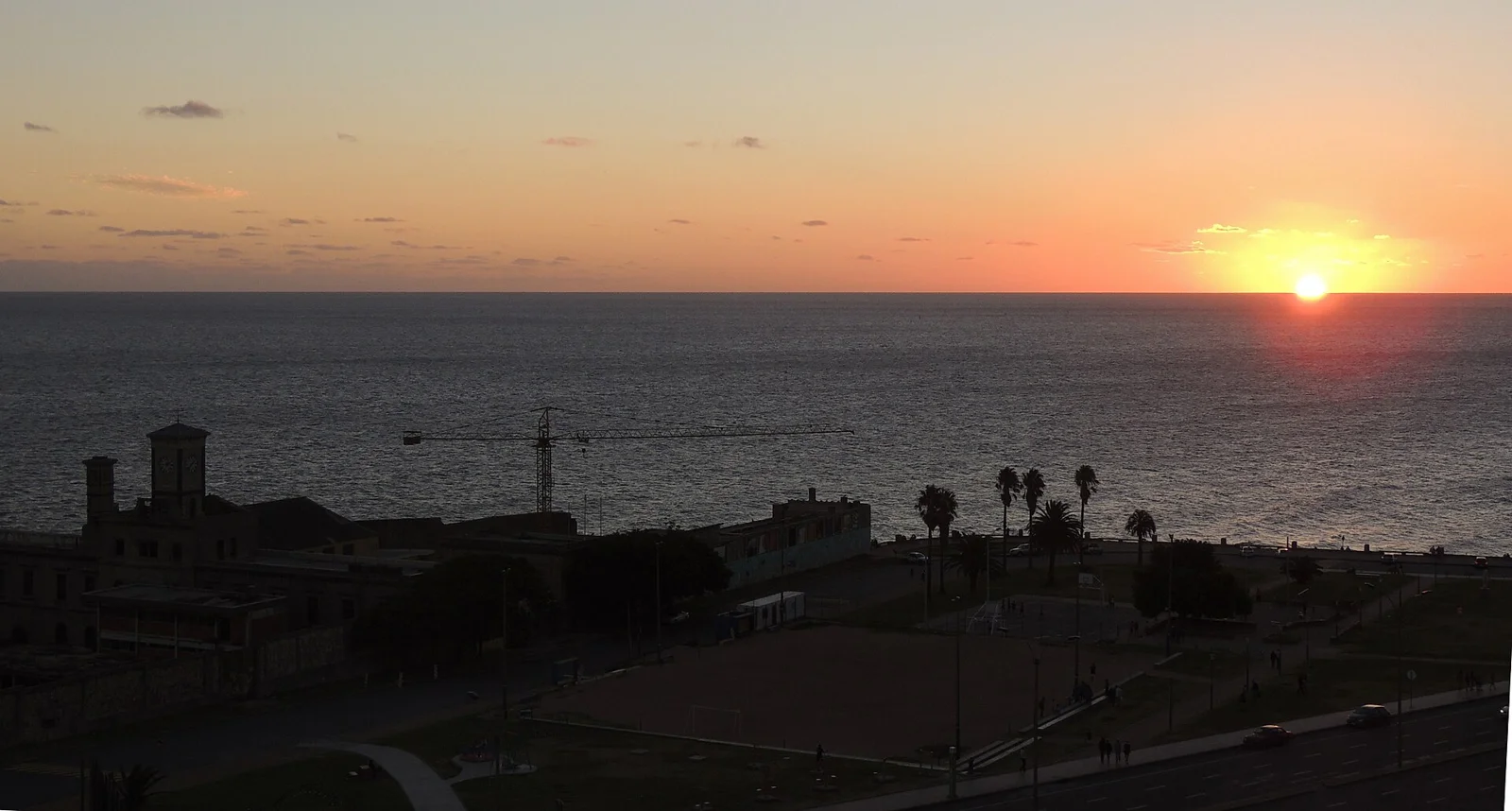
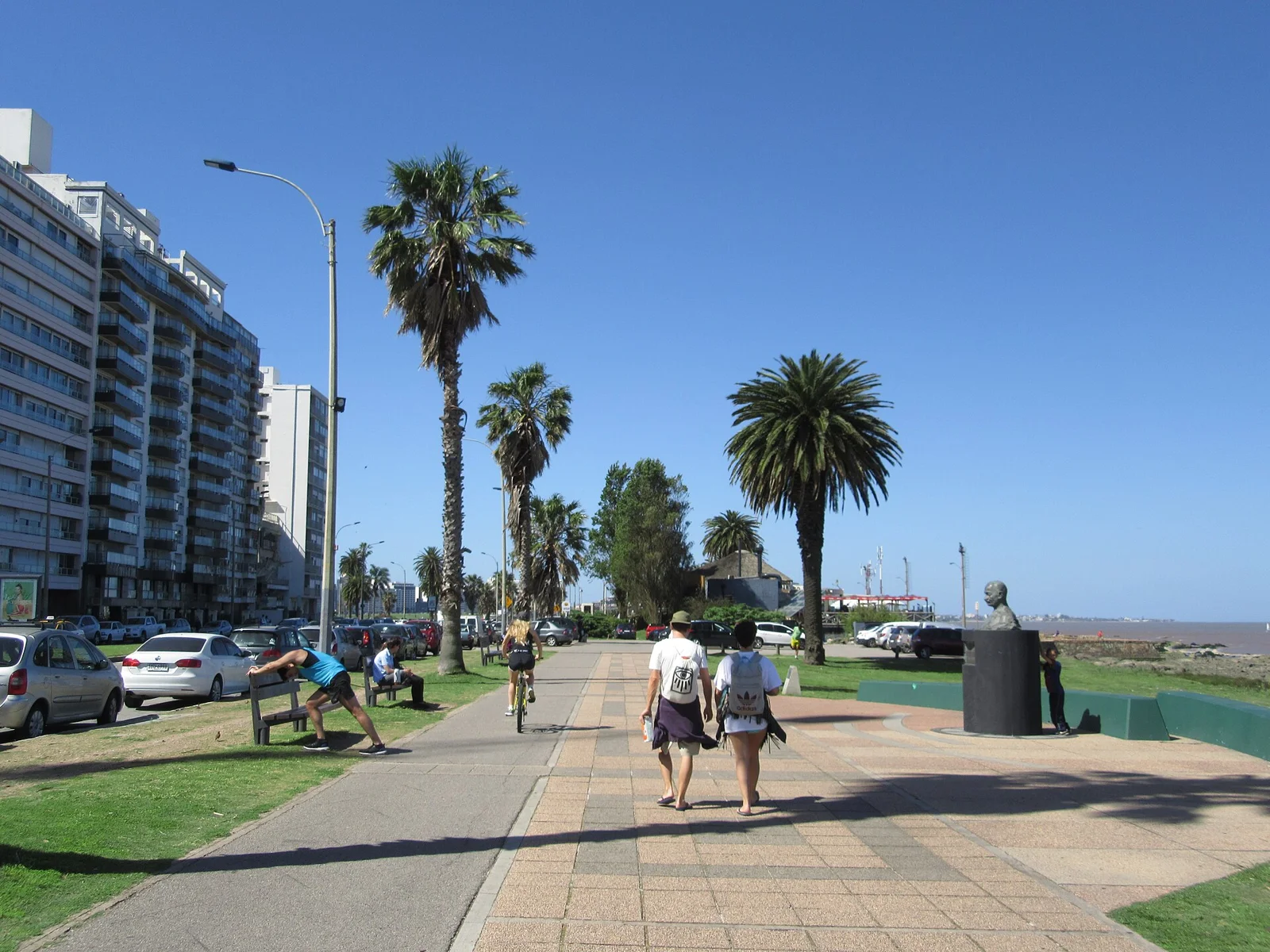
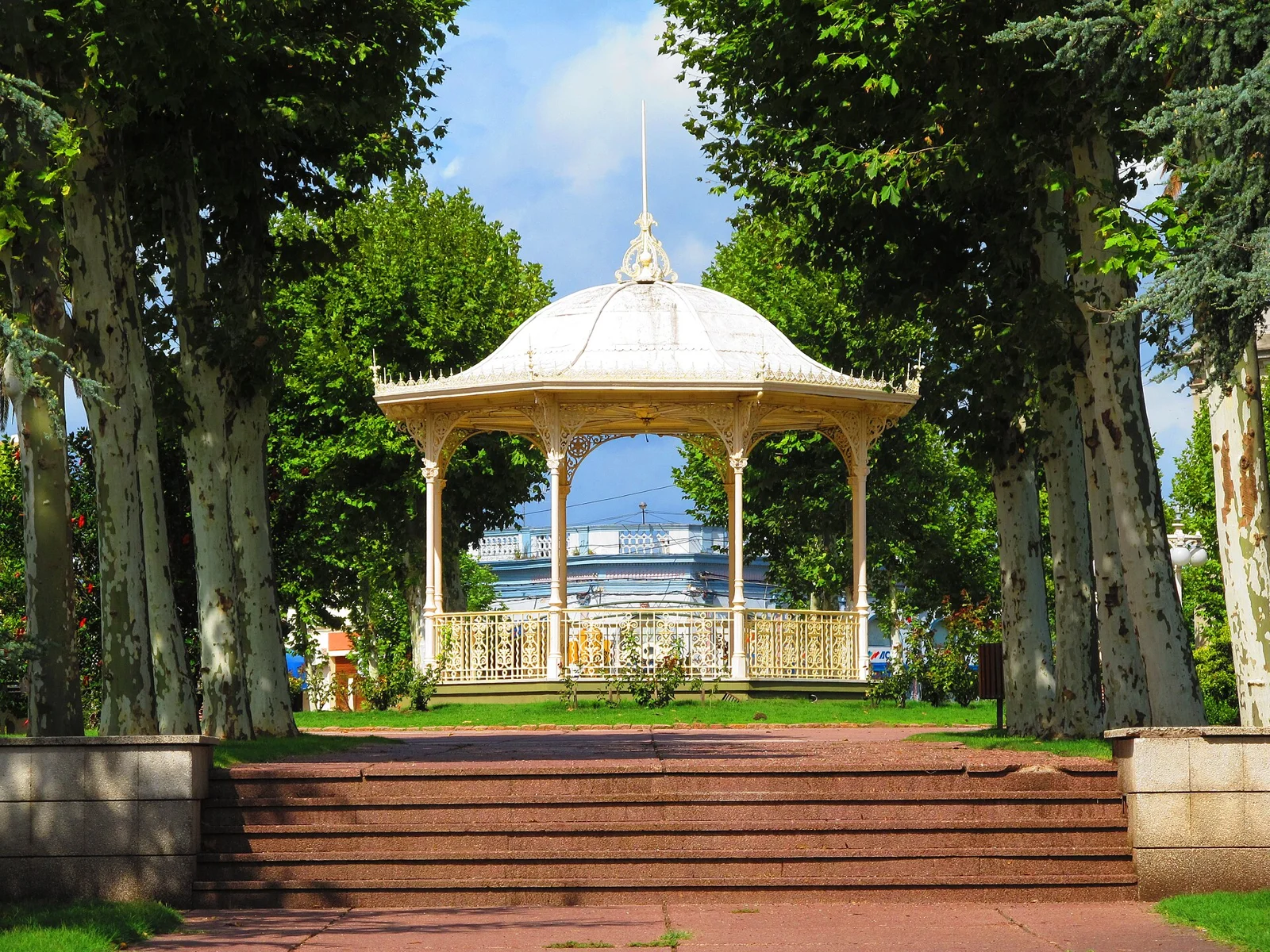
Start at Plaza Independencia, Palacio Salvo and Ciudad Vieja. Pedestrian Sarandí, the Solís Theatre and the area around Mercado del Puerto bring together architecture, culture and food. Then head to the rambla: the waterfront links neighbourhoods such as Punta Carretas and Pocitos and is one of the best places to observe everyday city life.
Parque Rodó, museums, cafés and markets add plenty beyond the historic centre. Montevideo faces the Río de la Plata: its sea-like horizon is not the same Atlantic coast you will find farther east. In February, leave at least one evening free for a neighbourhood carnival stage.
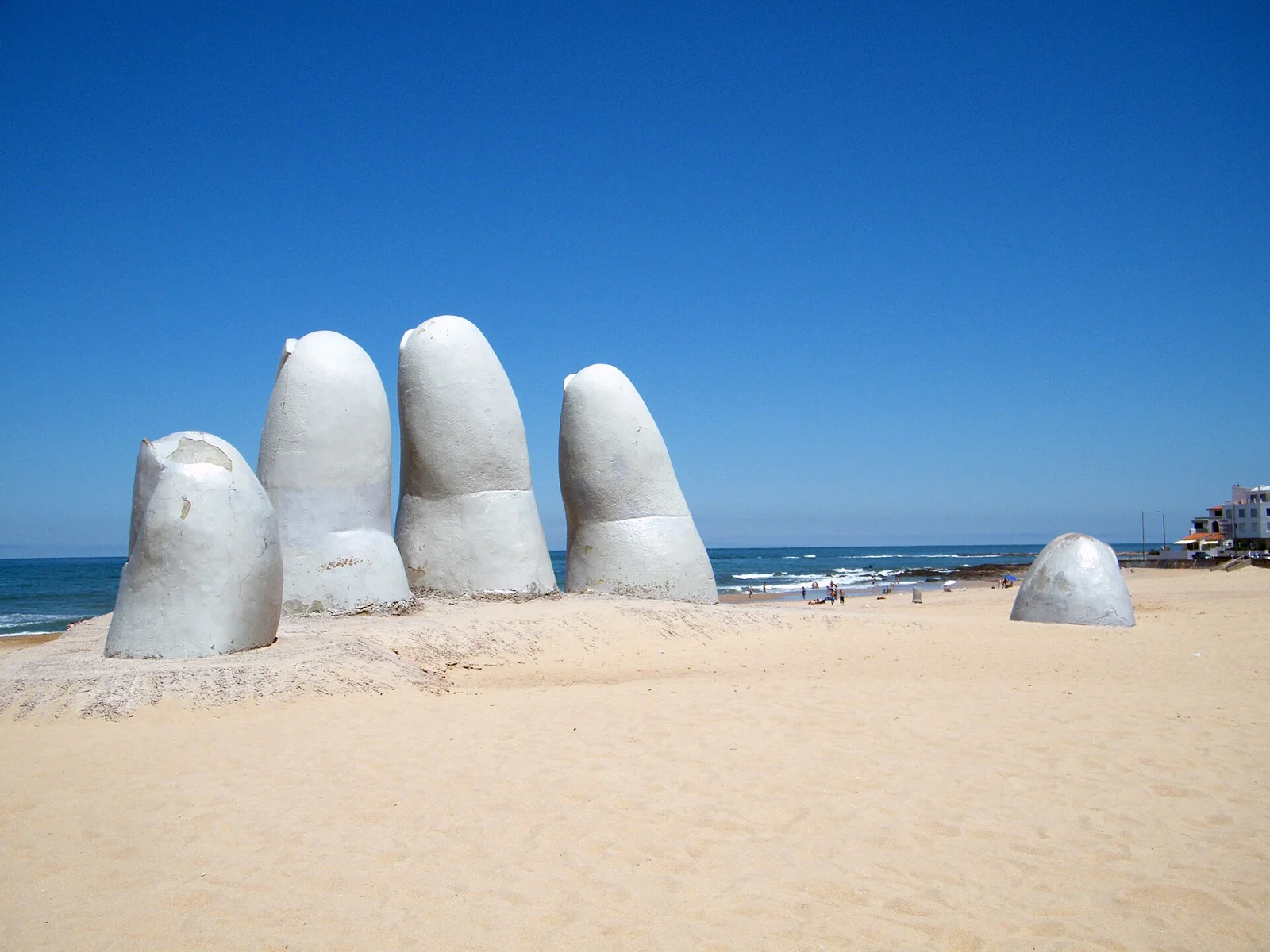
La Mano on Playa Brava is the classic photo stop, but explore the peninsula, harbour and waterfront too. The Mansa and Brava beaches face different directions and have different coastal settings. Restaurants, cafés and walks between them offer ways to enjoy the destination beyond a day on the sand.
Casapueblo is in Punta Ballena, outside central Punta del Este, linking the landscape with the work of artist Carlos Páez Vilaró. La Barra and José Ignacio are other possible outings, not places to assume you can all explore on foot from the peninsula. Summer is lively; outside the season, the pace and some services change.
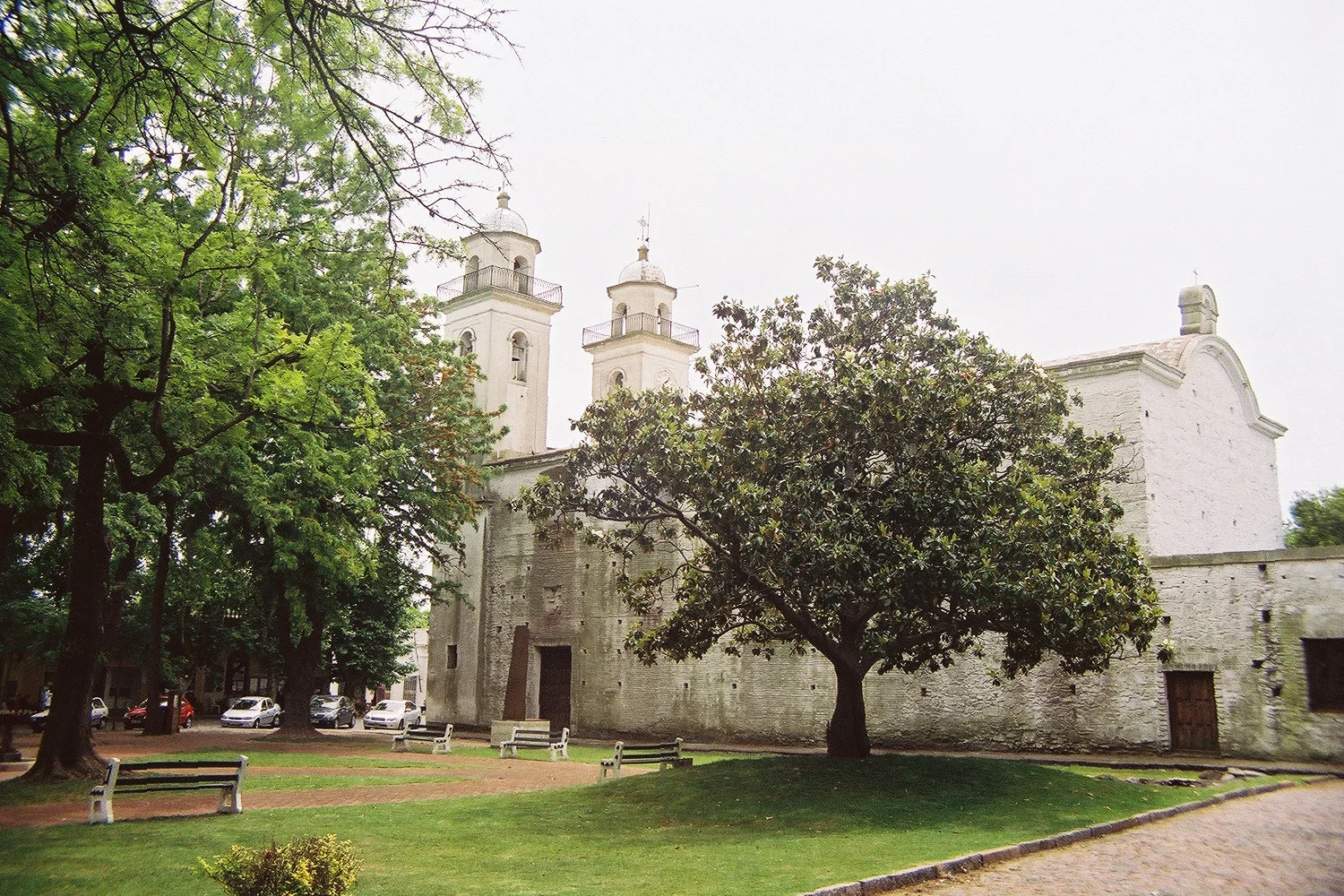
The Historic Quarter, a World Heritage Site since 1995, reflects the encounters and struggles between Portuguese and Spanish powers. Calle de los Suspiros, the lighthouse, the basilica and the city gate help you find your bearings, but part of the pleasure is wandering and noticing the mix of buildings and street layouts.
Beyond the old town, consider the waterfront and Real de San Carlos, home to the bullring. Colonia works as a day trip, but staying overnight lets you see it after many day visitors leave and enjoy the sunset without watching the clock for your ferry.
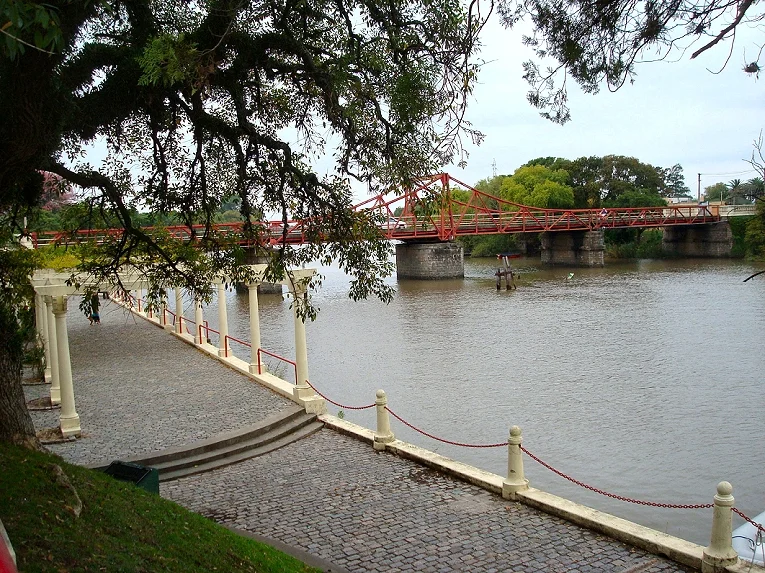
Carmelo is a separate town in Colonia department, not part of Colonia del Sacramento’s old quarter. Life here is tied to the Las Vacas stream, the river and a rural setting where wineries are an important part of the visitor experience. Its swing bridge and waterfront set a relaxed pace.
Playa Seré, waterside walks and vineyards can be combined with historic places such as Calera de las Huérfanas. The plan might be a long lunch and a tasting, rather than a string of sights. Wineries have different arrangements, so organise the visit and transport before setting off.
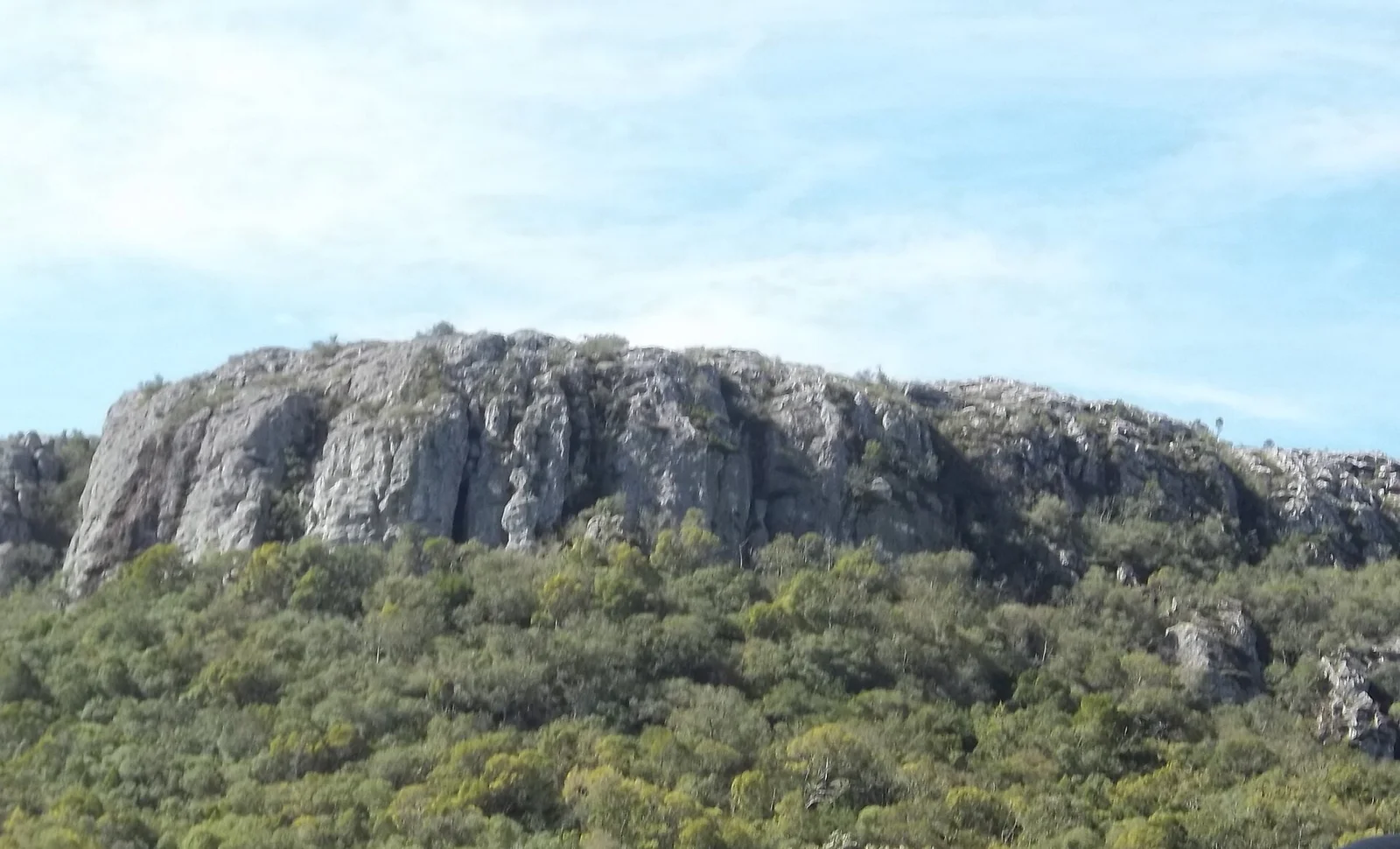
Minas is a good base for exploring Lavalleja. Cerro Arequita, Salto del Penitente and Villa Serrana reveal a Uruguay of hills, rock formations and rural roads. These are separate outings: choose according to your transport and time, rather than assuming all the sights sit together in the town centre.
Arequita stands out for its volcanic rock formation and is part of a national park. In Villa Serrana, the landscape and architecture integrated into the slopes are attractions in themselves. Check access arrangements for walks, caves and private properties: not every route is open access or equally easy.
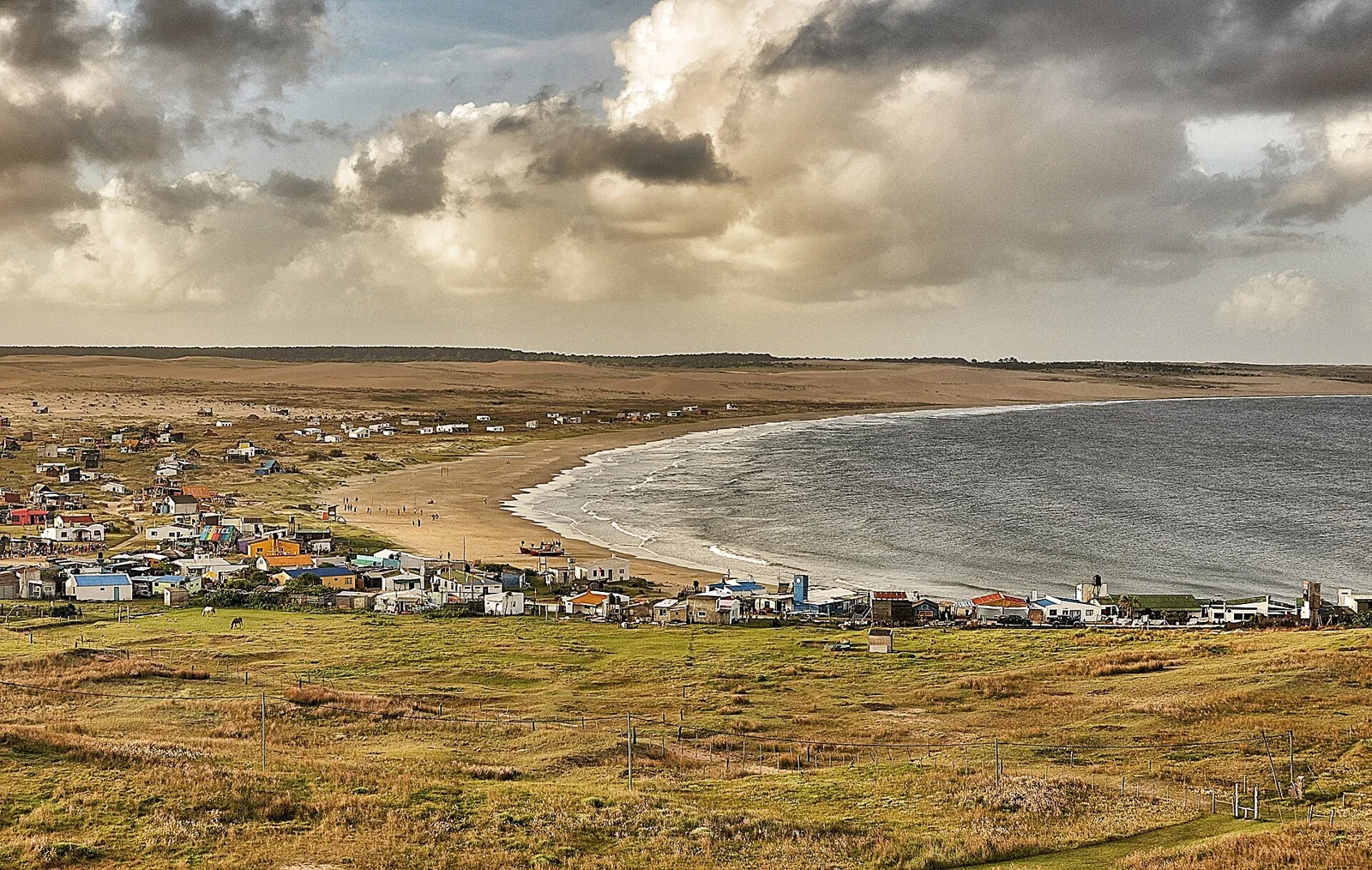
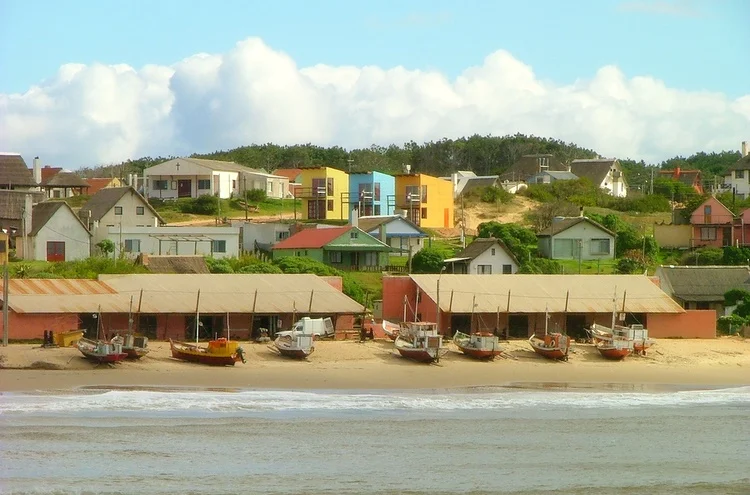
Cabo Polonio combines beaches, dunes and a small settlement within a national park. Nearby islands host fur seals and sea lions, part of the area’s natural importance. The lighthouse and ocean-facing houses make a familiar postcard, but the dune system is a major reason this landscape is protected.
Private cars do not drive into the settlement: visitor access is arranged from the terminal on Route 10 using authorised transport. Expect a rustic stay. Ask your accommodation about electricity, hot water, connectivity and payment methods rather than assuming the services of a city hotel.
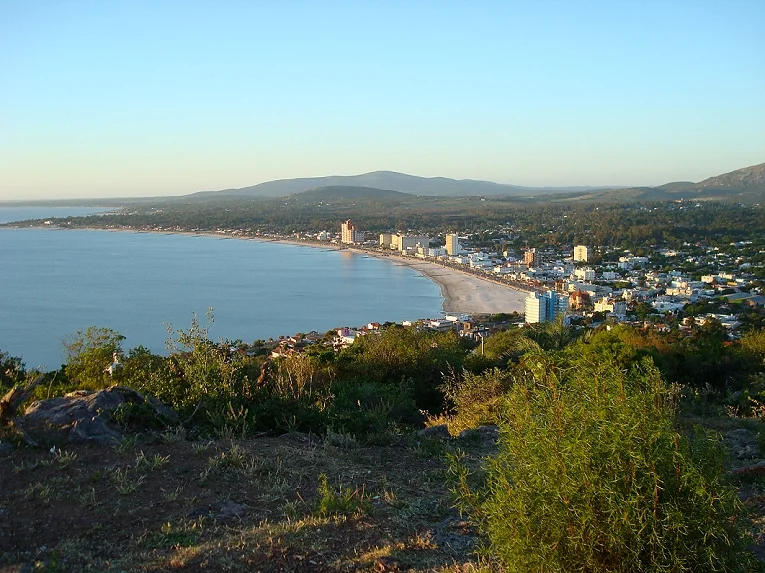
A waterfront promenade, resort architecture and hills beside the water. Cerro San Antonio and the story of founder Francisco Piria add a different outing near Punta del Este.
Another base in Rocha for Atlantic beaches and a beach-village atmosphere. Combine it with Santa Teresa National Park after checking access and activities.
A journey into industrial history. The former meat-processing complex and its surroundings are a World Heritage Site, telling the story of Uruguayan products reaching markets around the world.
The grill is a star, but it is not the whole story. Think neighbourhood bakeries, recipes shaped by immigration, cheeses, sweet treats and a sandwich that deserves its own introduction.
Meat cooked over embers, with cuts such as short ribs, flank or skirt steak. Lingering around the table is part of the experience. Depending on the menu, add chorizo or a stuffed pamplona; ask what a mixed grill includes before ordering one to share.
02
Chivito
Despite the name, it is made with beef, not goat. The sandwich usually combines steak, ham, cheese, tomato, lettuce, egg and other ingredients depending on the place. A plated version also exists. Portions can be generous, so check before adding sides.
03
Milanesa, pizza & fainá
Breaded milanesa is everyday comfort food. Bar-style pizza and fainá, made with chickpea flour, are another local pairing. A meal does not have to revolve around the grill: these dishes also tell the story of immigration and the Uruguayan table.
04
Bizcochos & tortas fritas
For an afternoon snack, stop at a bakery for sweet and savoury bizcochos. Tortas fritas are fried dough rounds especially associated with rainy days and mate. These simple traditions can tell you as much about a country as a grand dinner.
05
Dulce de leche, alfajores & chajá
Dulce de leche appears in desserts, ice cream and alfajores. Try different versions: cornstarch biscuits, chocolate-coated or handmade. Chajá, associated with Paysandú, combines meringue, cream, sponge cake and fruit. For edible souvenirs, check transport and your destination’s food-import rules.
06
Cheeses & country produce
Cheeses and other small-scale products offer another way to discover inland areas, especially dairy regions such as Colonia. Look for local producers and shops. If you do not eat meat, ask about specific options and ingredients rather than assuming a side dish makes a complete meal.
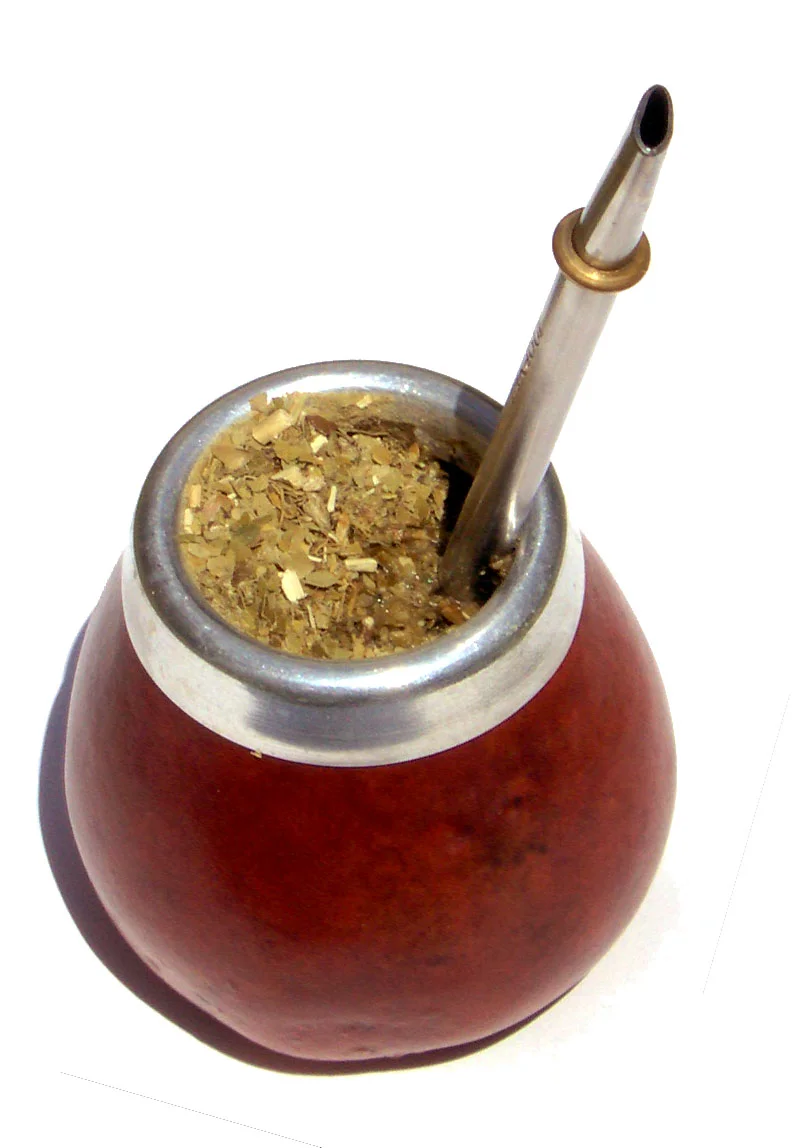
You will see people carrying a flask under one arm and a mate gourd in their hand: it is part of everyday life. Made with yerba mate and hot water, it is drunk through a bombilla, a filtered metal straw. Often it is less about ordering a drink than sharing time in a square, on the waterfront or at home.
If you are invited to a round, let the person preparing it explain. Avoid moving the bombilla; in many rounds, saying “gracias” signals that you have finished. Trying an individual mate is fine too: sharing is not a requirement for discovering the taste.
If you do not yet have Uruguayan friends to invite you, Bar Facal in central Montevideo lists mate on its menu. It is a practical way to try the custom without buying all the equipment for a first taste. Confirm availability when visiting.
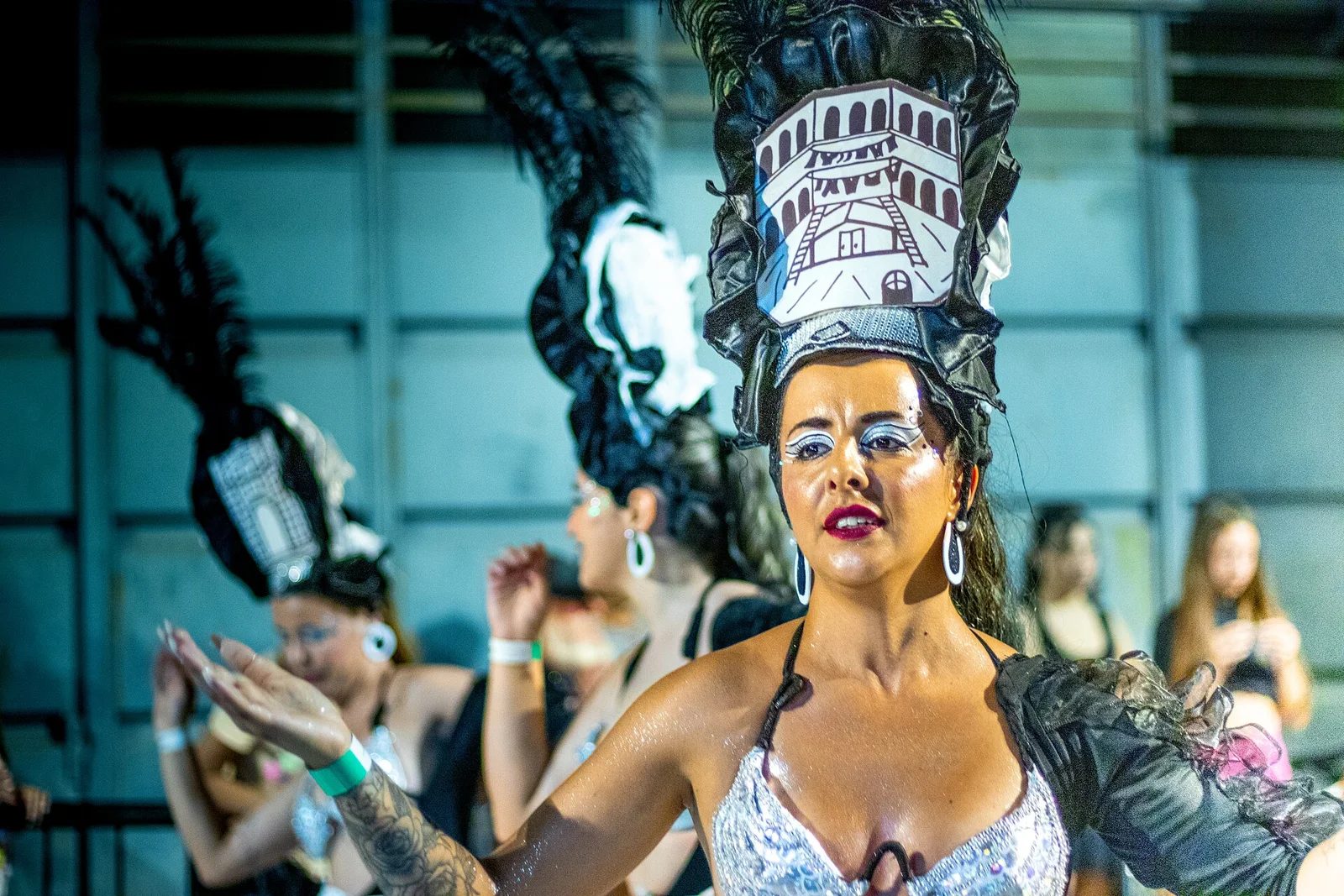
For a mix of summer and culture, February is my favourite recommendation. Beach season is still in full swing while Montevideo fills with neighbourhood stages, choruses and drums. Uruguay’s tourism ministry describes its carnival as the longest in the world: it starts in late January and usually stretches into March, rather than fitting into one weekend.
Book accommodation and check the programme for your travel year. Llamadas dates and competition schedules vary, and rain can lead to changes. February is ideal for this combination; if quieter beaches and roads matter more, consider March or spring too.
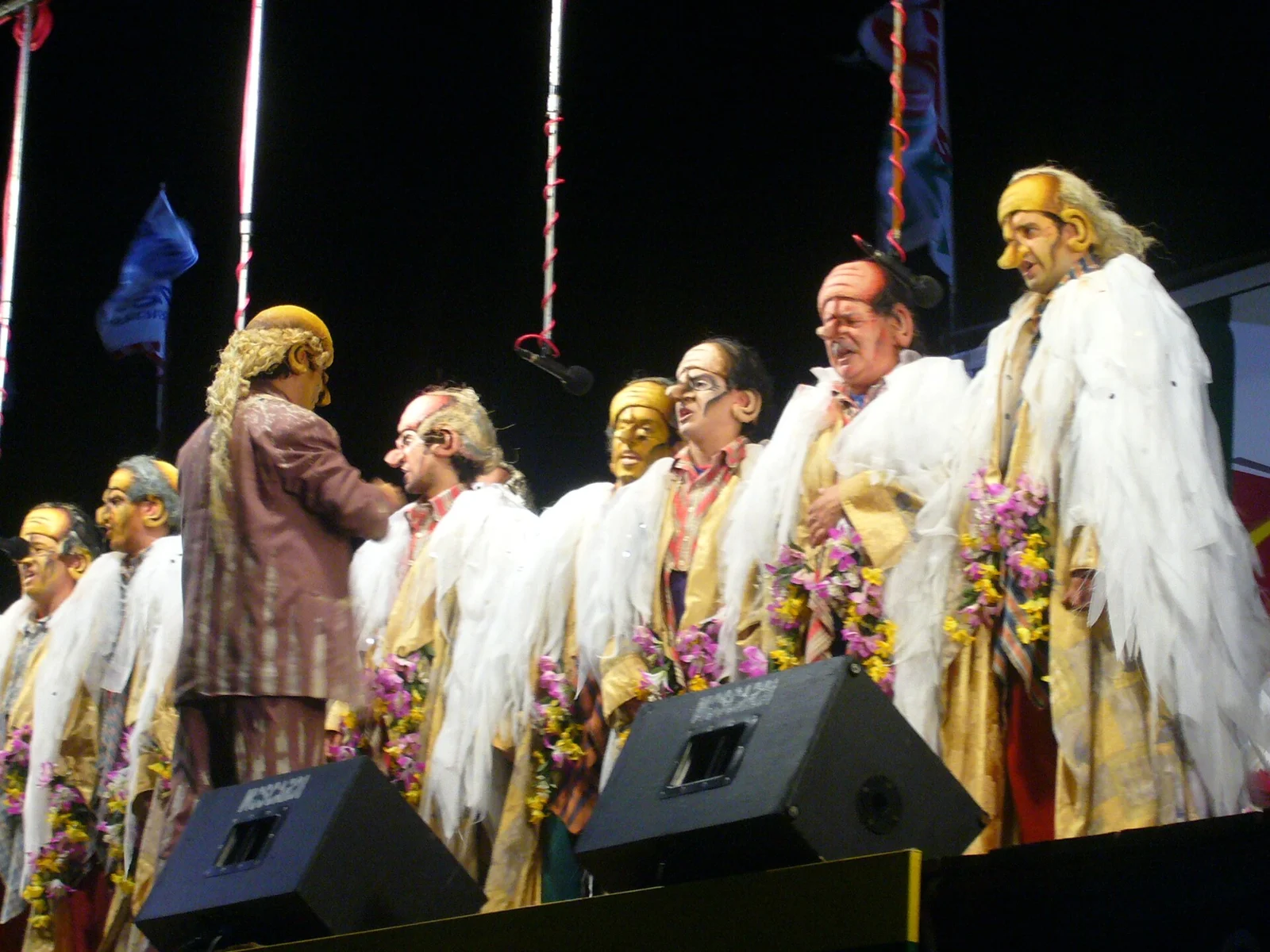
Uruguayan murga brings together choral singing, a small percussion section, acting, costumes and make-up. Shows often tackle current affairs through humour, satire and social criticism. You do not have to understand every political reference to feel the impact of the chorus, staging and connection with the audience.
The retirada is the farewell section of the show. Some become songs people remember for years, making them a lovely introduction if you have never seen a murga. Below is a complete 2022 stage performance by Agarrate Catalina, so you can see how a murga performs.
The Official Competition takes place at the open-air Teatro de Verano Ramón Collazo. Groups compete in five categories: murgas, parodistas, humoristas, revistas and comparsas. Their shows differ, with emphasis on choral singing, parody, comedy scenes, music and dance, or candombe.
A jury evaluates performances across several rounds. Qualifying groups reach the liguilla final round, with winners in each category rather than one overall prize for every group. You do not need to know the performers beforehand: choose an evening by its programme and enjoy a carnival night.
Beyond the competition, groups perform on neighbourhood stages known as tablados. You can see several groups in one evening. Commercial venues and community-run popular stages have different formats and prices.
For a first visit, you do not need to wait for the competition final. Check times, location and performers, and plan your return journey: shows often finish late. The Carnival Museum is another way to put what you heard and saw into context.
The Desfile de Llamadas parade follows Isla de Flores through the Sur and Palermo neighbourhoods. Comparsas bring drum ensembles, dancers, flags and traditional characters. The interplay of chico, repique and piano—the three drum types—is central to this cultural expression rooted in Afro-Uruguayan communities.
The parade has its own competition and results, separate from the Teatro de Verano contest. Candombe is not just a parade performance: it is a community practice throughout the year. UNESCO inscribed “Candombe and its socio-cultural space” as Intangible Cultural Heritage in 2009.
A 2022 Liguilla performance at the Teatro de Verano, published by Tenfieldoficial. A stage performance showing the chorus, characters, costumes and staging.
The winning comparsa of the 2025 Llamadas, parading on 7 February. Recorded by Aquí TVs Candombe. The award refers to that parade edition, not the separate stage competition.
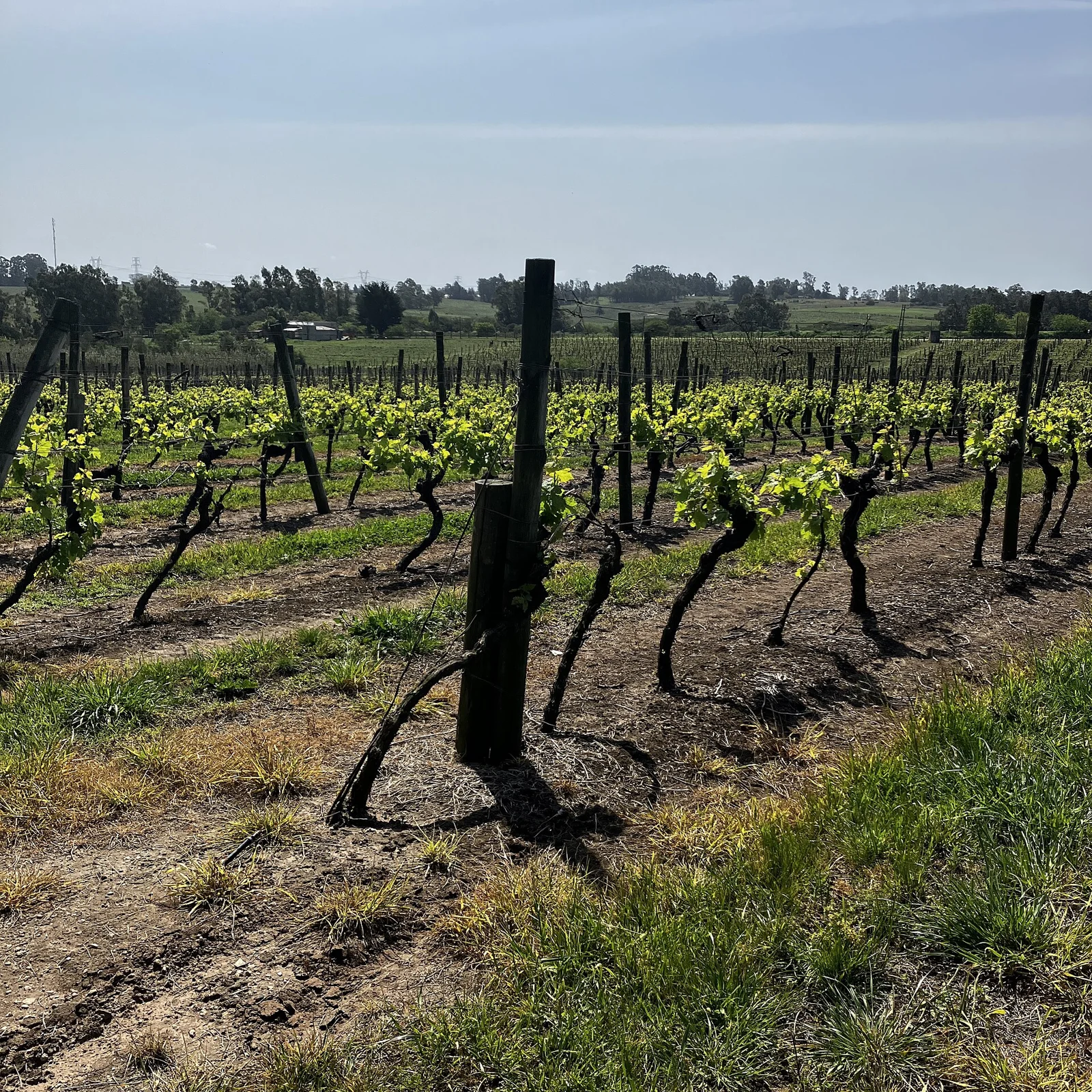
Uruguay’s wine identity is closely linked to Tannat, but it produces other varieties and styles too. A winery visit may include vineyards, an explanation of production, a tasting and lunch: the offerings differ from one estate to another.
Explore areas around Montevideo and Canelones, add wineries to a Carmelo trip or look at Maldonado. There are small family projects and larger estates. Uruguay Wine, INAVI’s national wine brand, has a wine-tourism directory to help you find and contact producers directly.
Book ahead and confirm language, duration, food and transport. If you are interested in harvest activities, ask the winery about its dates: they depend on the year and grape variety, not a single national date.
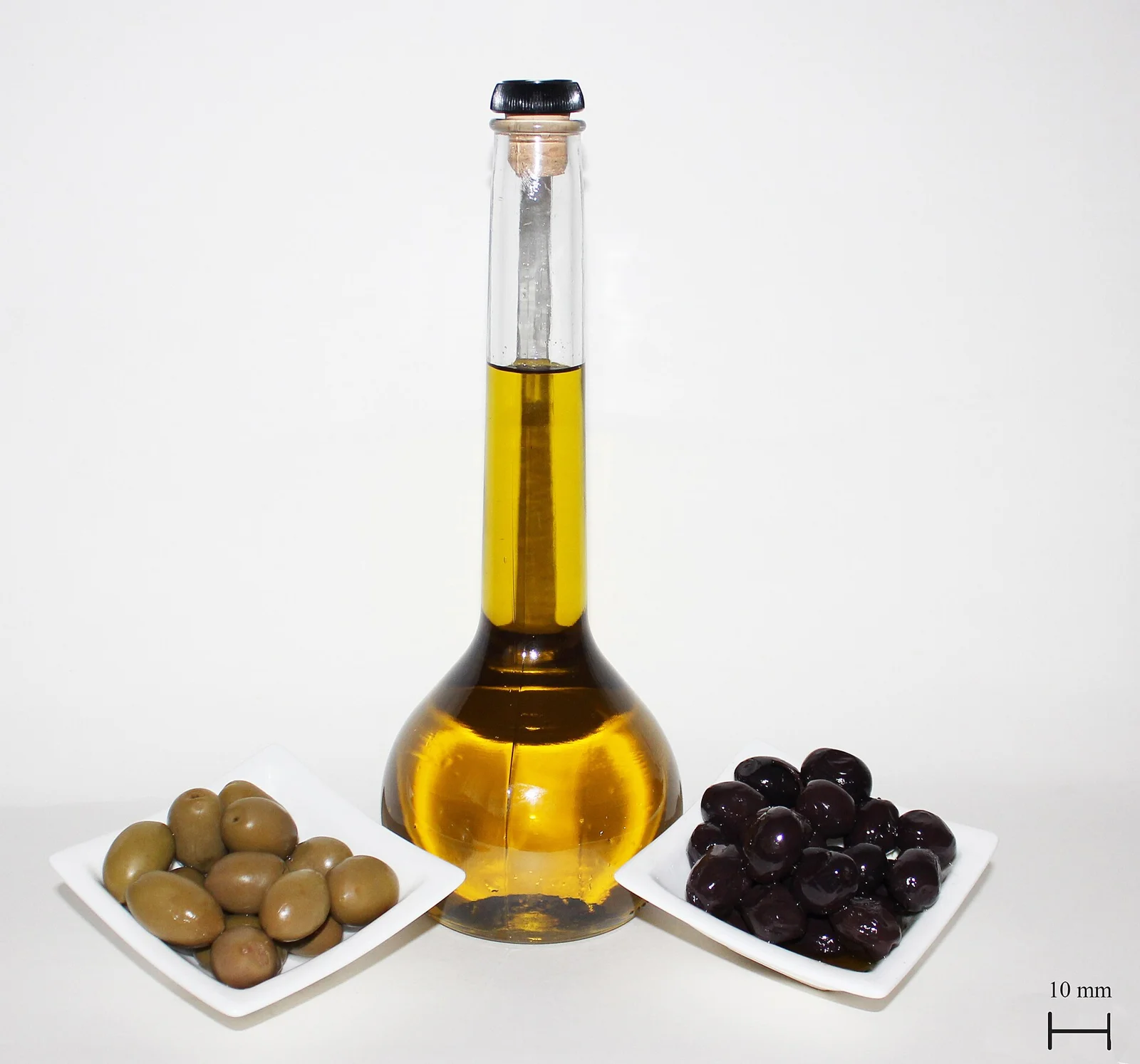
Extra-virgin olive oil offers another way to discover Uruguay. Olive-oil tourism introduces groves, mills and tastings: a chance to understand how fruit becomes oil and why aromas and flavours differ.
Colinas de Garzón in Maldonado advertises visits to its boutique mill with olive-oil tastings. Olivos de las Ánimas near Pan de Azúcar is another option to explore. These are starting points, not an exhaustive list or a promise of walk-in access.
Confirm which parts of the estate you can visit and whether production is taking place then. A tasting can be rewarding outside harvest too. For bottles to take home, check your baggage allowance and flight conditions.
You do not have to see it all. Make time to enjoy it.
3–4
days · a first taste
Montevideo + Colonia. Split your time between city life, waterfront walks and history rather than trying to cross the whole country.
7–9
days · city & coast
Montevideo + Punta del Este + a base in Rocha. Add a tablado in February and leave some beach days without transfers.
10–14
days · time to slow down
Combine Montevideo, Colonia and the east, or choose a route with Carmelo, wineries and hill country. You do not need every destination on this page in one trip.
These are itinerary ideas, not packages or transport timetables. Adapt them to your flights, the weather and the season. If you add Carmelo, do not treat it as a quick stop between Montevideo and the east: it lies in the opposite direction, to the west.
Editorial guide with sources checked in October 2026. Programmes, services and menus may change: use the official links to confirm details before visiting.
Real photographs and credits+
Archive photographs do not necessarily show how each place looks today. Size, compression and framing have been adapted. Product images are not presented as photographs of a particular farm.